RPEEPs explained: what the new residential evacuation regulations mean for your building in 2026
It’s late evening and most residents are at home – the building is quiet.
Then the alarm sounds.
Doors open, confusion spreads, some residents move quickly towards the stairs and others hesitate, unsure what to do.
And somewhere above, someone can’t leave at all.
They’re waiting.
Waiting for help that hasn’t been planned and support that may not come in time.
Because in many residential buildings, evacuation has always been built on a simple assumption: that people can get themselves out.
But what if they can’t?
That question sits at the heart of the Fire Safety (Residential Evacuation Plans) (England) Regulations 2025 – and the introduction of RPEEPs.
What are RPEEPs (Residential Personal Emergency Evacuation Plans)?
Residential Personal Emergency Evacuation Plans (RPEEPs), which came into force on 6th April 2026, are designed to ensure that residents who may struggle to evacuate independently are identified and appropriately supported within a building’s evacuation strategy.
This marks a clear shift in residential fire safety.
Evacuation planning is no longer just about buildings and procedures. It’s about understanding the people inside them – and recognising that not everyone can respond in the same way when an emergency occurs.
Why have the RPEEP regulations been introduced?
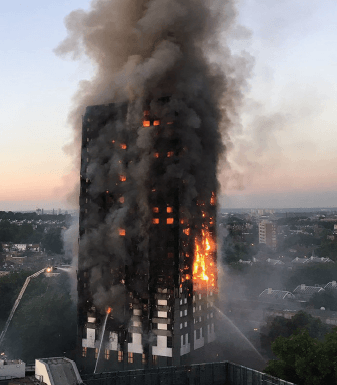
The introduction of RPEEPs follows recommendations from the Grenfell Tower Inquiry, which highlighted the need to strengthen evacuation planning for residents unable to self-evacuate.
Historically, many residential buildings have relied on strategies such as ‘stay put’ or simultaneous evacuation. While these approaches may be suitable in certain scenarios, they don’t always account for individuals whose ability to evacuate is limited.
RPEEPs introduce a more structured and inclusive approach – one that recognises these realities and builds them into evacuation planning from the outset.
Who is considered a relevant resident under RPEEP regulations?
Under the regulations, a relevant resident is someone living within a building in scope whose ability to evacuate independently may be compromised due to a physical or cognitive condition.
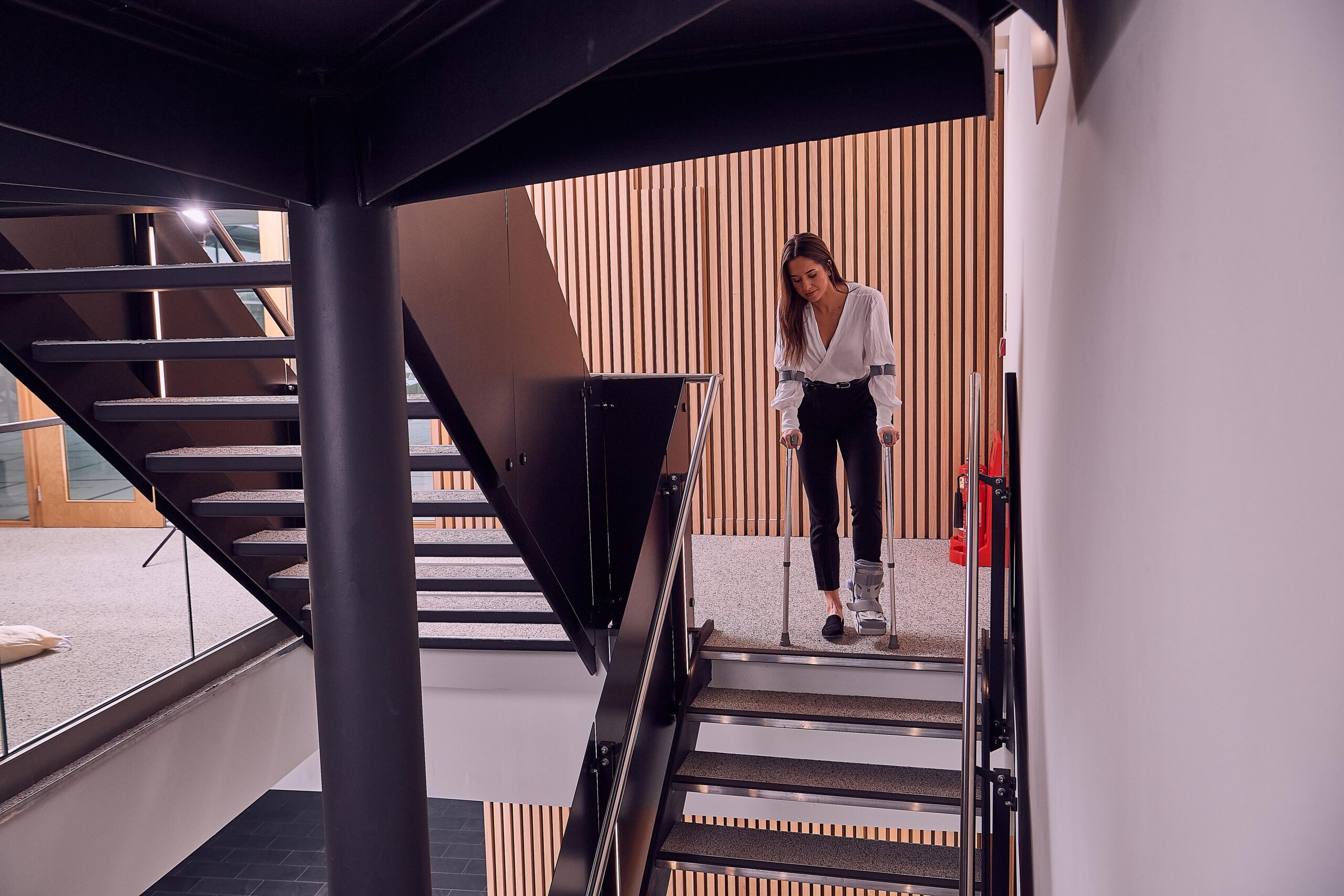
In practice, this extends far beyond what is immediately visible. Mobility impairments are not always permanent, and they are not always obvious. A resident recovering from surgery, someone with reduced mobility, or an individual experiencing cognitive or sensory challenges may all face significant barriers during an emergency – impacting their ability to evacuate safely.
This is where many evacuation strategies fall short – not in intention, but in assumption.
What do Responsible Persons need to do under RPEEP regulations?
The RPEEP regulations place clear responsibilities on the Responsible Person – typically the building owner, landlord or managing agent responsible for fire safety.
They must take reasonable steps to identify residents who may require support and, where consent is given, carry out a Person-Centred Fire Risk Assessment (PCFRA). This assessment considers the resident’s circumstances alongside the building’s evacuation strategy to determine what support may be required.
Where appropriate, this information is recorded within an Emergency Evacuation Statement (EES), which outlines the agreed approach to evacuation. With the resident’s consent, this information must be made available to the Fire and Rescue Service and kept accessible for use during an incident.
Alongside individual arrangements, Responsible Persons are also required to maintain a Building Emergency Evacuation Plan (BEEP), ensuring that the building’s overall strategy reflects the needs of those who may require assistance.
Importantly, these plans are not static. They must be reviewed regularly and updated as circumstances change.
This is not simply a compliance exercise. It is about ensuring evacuation arrangements are workable, proportionate and capable of being implemented in real conditions.

Which buildings do the RPEEP regulations apply to?
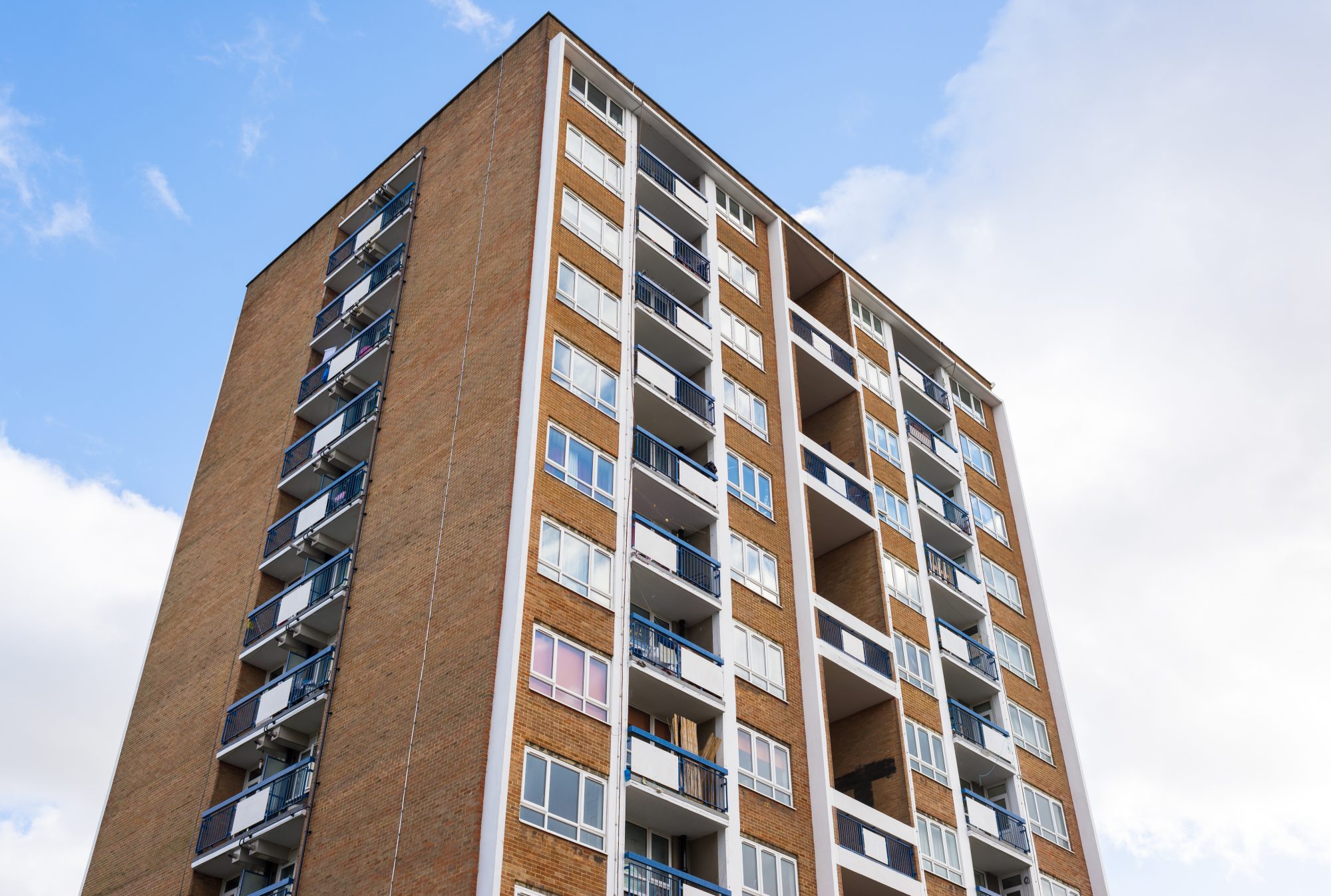
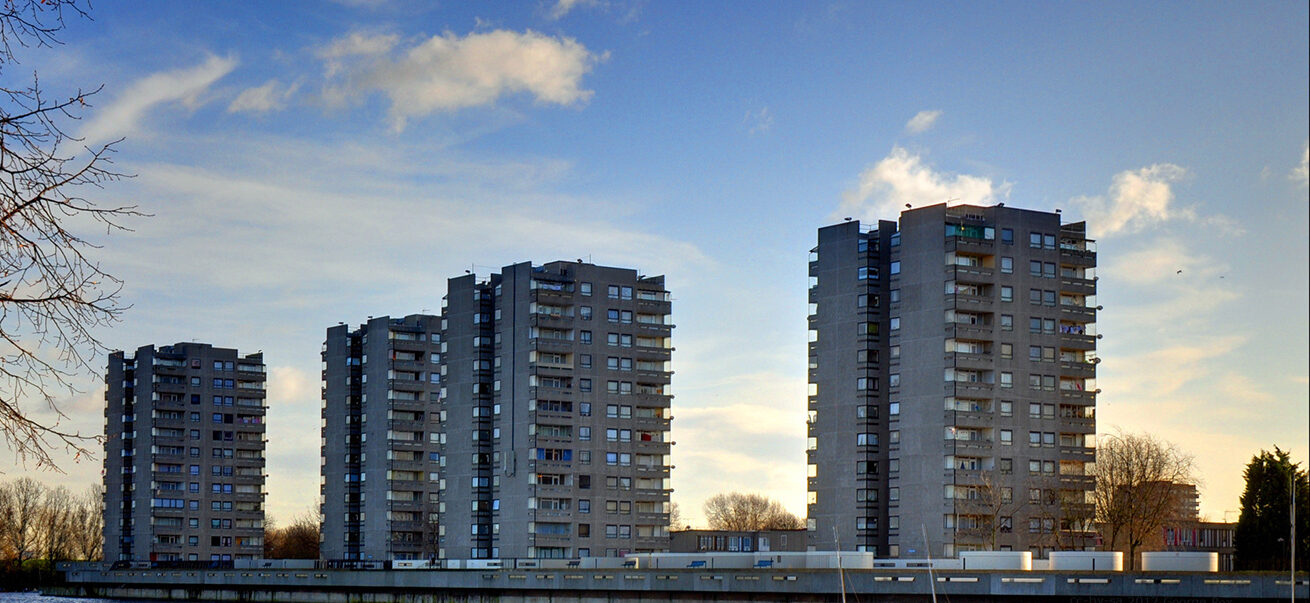
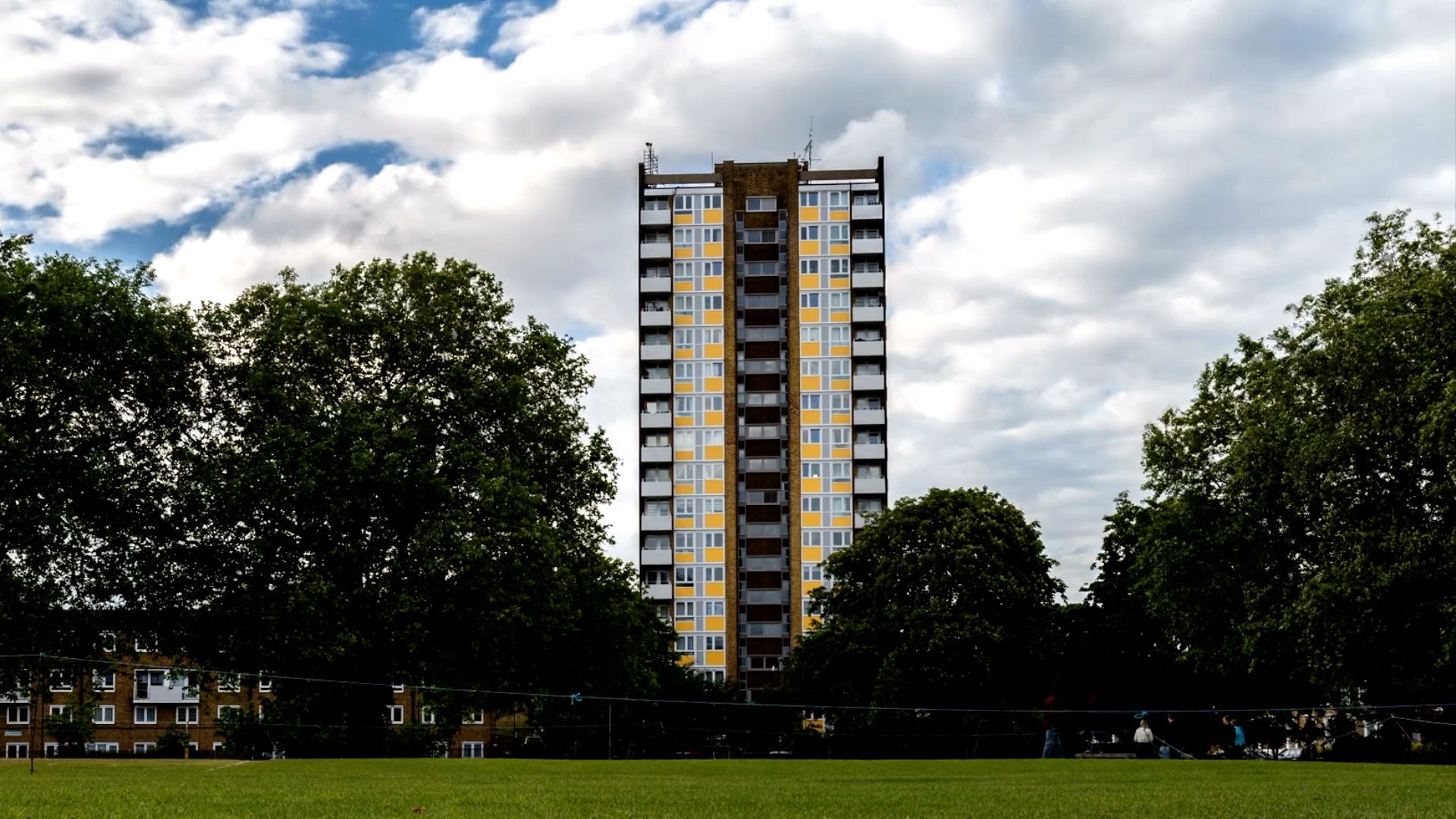
The Fire Safety (Residential Evacuation Plans) (England) Regulations 2025 apply to residential buildings in England that meet specific height or evacuation criteria – typically those over 18 metres, those with 7 or more storeys, or buildings over 11 metres that operate a simultaneous evacuation strategy.
These buildings often present additional evacuation challenges, particularly where staircases are the primary means of escape.
In those environments, the question becomes more urgent: what happens to those who cannot use them? Who helps them get out?
From policy to practice: why RPEEPs must work in real life
In many residential buildings, staircases are the only route to safety during a fire.
For residents who cannot use them independently, that creates a critical gap between planning and reality.
When an alarm sounds, there is no time to interpret documentation or develop a response. Evacuation must already be understood. Equipment in place. People ready to act.
Without that preparation, even well-intentioned plans can fail under pressure.
RPEEPs address the need for structured planning – but for those plans to be effective, they must be supported by practical arrangements.
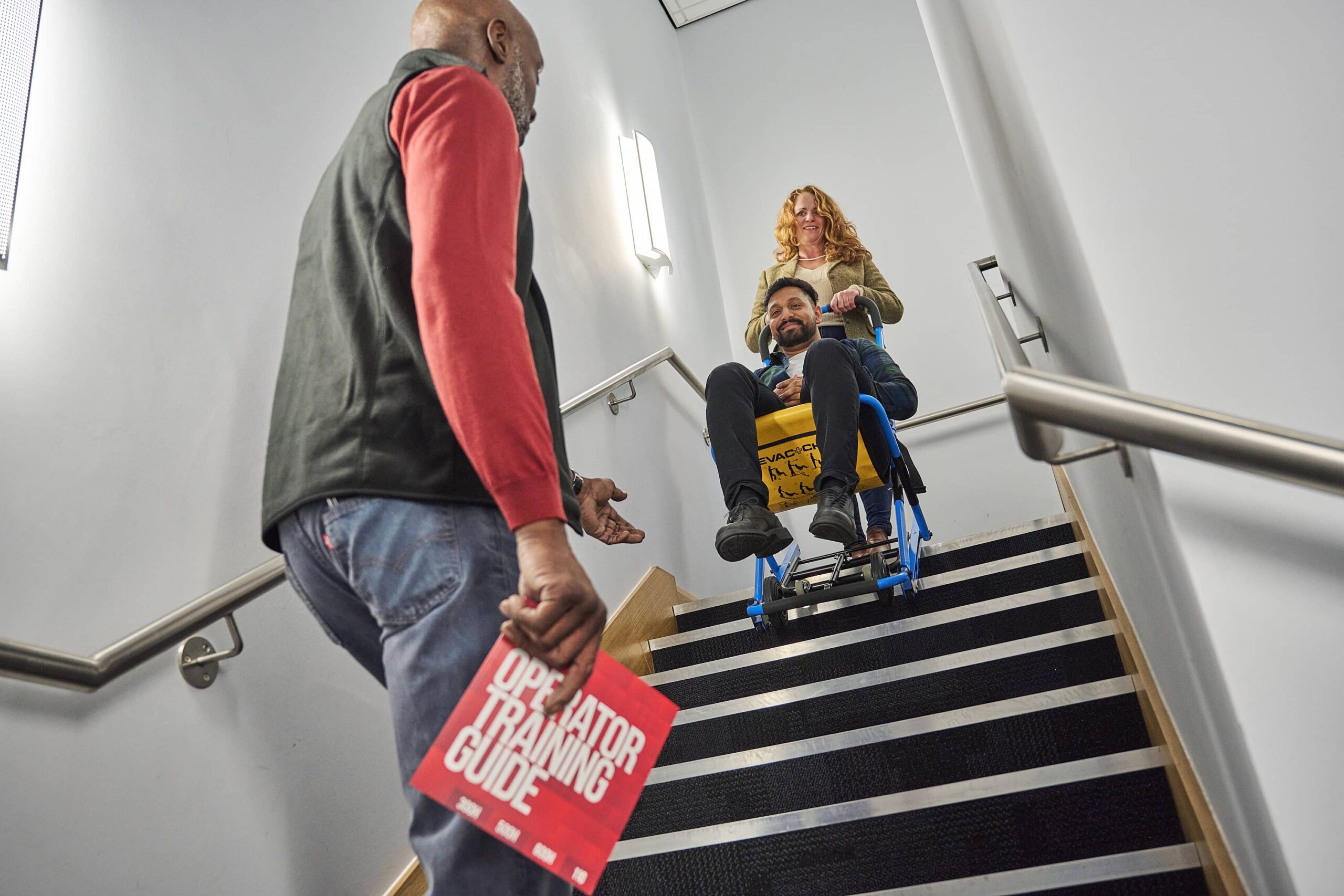
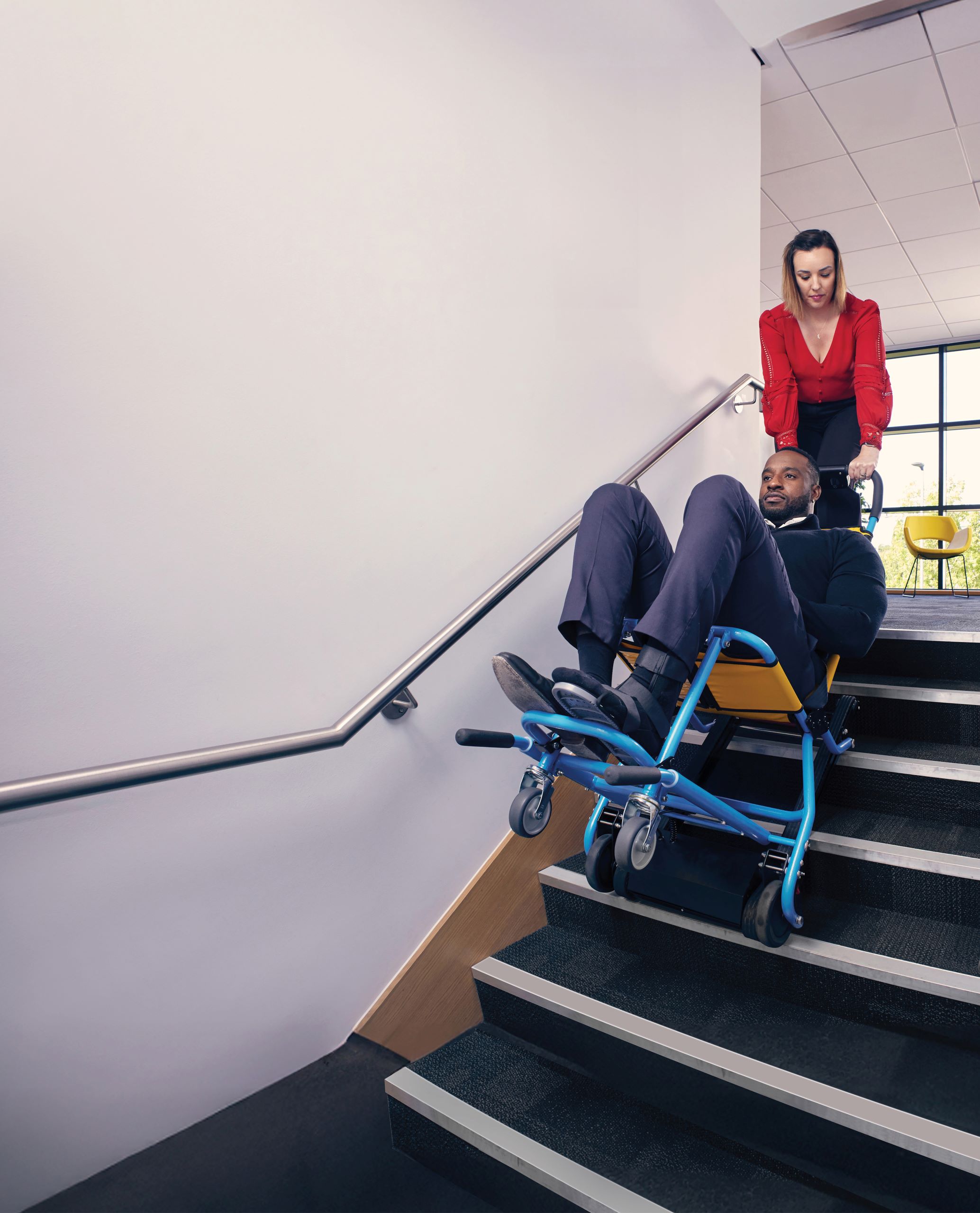
This may include appropriate evacuation strategies, trained individuals, and equipment designed for safe, controlled movement on staircases – supported by ongoing maintenance. Solutions such as an Evac+Chair can play a key role in bridging that gap, helping to ensure that residents are not left waiting for assistance that cannot be delivered.
A more inclusive approach to residential fire safety
RPEEPs represent a fundamental shift in how evacuation is approached in residential settings.
Rather than relying solely on building-wide procedures, the regulations introduce a more proactive, person-centred model – one that focuses on identifying needs, engaging with residents and ensuring critical information is available when it matters most.
For residents, this provides reassurance that their safety has been considered.
For Responsible Persons, it introduces a clearer framework for managing evacuation risk.
And for Fire and Rescue Services, it ensures they have access to the information they need when responding to an incident.

Is your building ready for RPEEPs?
Now that the regulations are in force, preparation can’t be an afterthought – because when an emergency happens, there is no time to assess, adapt or improvise.
Only the preparation already in place.
Inclusive evacuation isn’t theoretical – it must work in real time, for the people who need it.
Supporting your RPEEP planning
We support Responsible Persons in turning evacuation planning into practical, real-world readiness. From evacuation assessments to equipment, specialist training and maintenance designed for safe and controlled evacuation, we help ensure your arrangements are not only compliant - but capable of working when it matters most. Book your complimentary Evacuation Assessment today and make sure your building is prepared for the future of inclusive evacuation.
Book Now