

RPEEPs and the Fire Safety (Residential Evacuation Plans) (England) Regulations 2025: What Responsible Persons Need to Know
What Responsible Persons Need to Know
RPEEPs were legislated to help ensure that residents of high-rise residential buildings, who may require assistance during a fire are identified, and that appropriate arrangements are considered to support their safe evacuation.
Effective from 6th April 2026, Residential Personal Emergency Evacuation Plans (RPEEPs) is a new framework designed to ensure residents who may struggle to evacuate independently, are fully considered within a building’s evacuation strategy.
The regulations place clear responsibilities on those responsible for residential buildings to identify residents who may require additional support during evacuation and to ensure appropriate plans and procedures are in place.
The regulations reinforce a fundamental principle of modern fire safety: evacuation planning must consider the needs of all residents, including those who may not be able to evacuate without assistance.

Learning from the Past to Strengthen Fire Safety
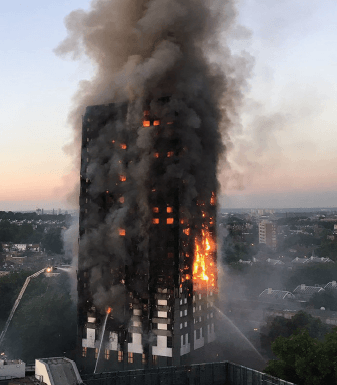
The introduction of RPEEPs follows recommendations made in response to the Grenfell Tower Inquiry, which highlighted the need to improve evacuation planning for residents who may have difficulty evacuating independently.
Historically, residential buildings have typically adopted either a ‘stay put’ strategy or a simultaneous building-wide evacuation approach. While these strategies may be appropriate for many residents, they do not always account for individuals who may be unable to evacuate independently.
The new regulations introduce a structured approach to identifying and supporting residents who may require assistance to evacuate, helping ensure evacuation planning is more inclusive and responsive to individual needs.
What Are Residential Personal Emergency Evacuation Plans (RPEEPs)?
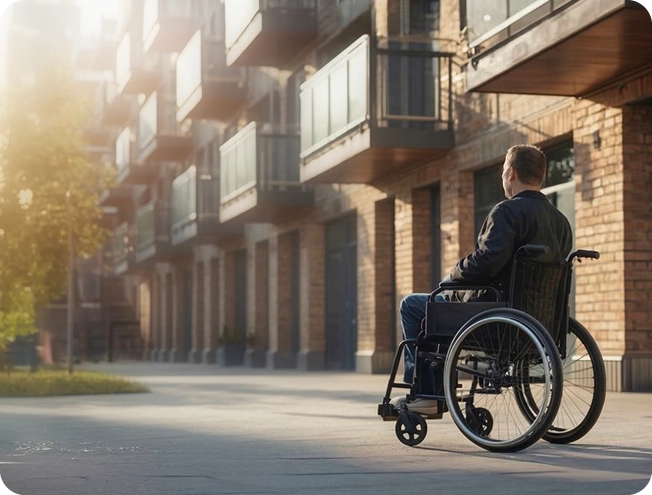
A Residential Personal Emergency Evacuation Plan (RPEEP) is an evacuation arrangement for a relevant resident whose ability to evacuate a building independently may be compromised due to a physical or cognitive impairment or condition.

A relevant resident is someone:
- Whose only or principal residence is in a building that falls within the scope of
the regulations, and: - Whose ability to evacuate without assistance may be compromised because
of a physical or cognitive impairment or condition.
The regulations require the Responsible Person – typically the building owner, landlord or managing agent responsible for fire safety – to use reasonable endeavours to identify relevant residents within the building.
Where a relevant resident has been identified, and agrees to it, the Responsible Person must carry out a Person-Centred Fire Risk Assessment (PCFRA).
This assessment considers the resident’s circumstances alongside the building’s evacuation arrangements to determine reasonable and proportionate measures that may support their safe in the event of a fire.
Participation in the process is voluntary and must be obtained before an assessment is carried out.
Download the PCFRA Form
...
Where a Person-Centred Fire Risk Assessment (PCFRA) is completed, the outcome may be recorded within an Emergency Evacuation Statement (EES).
The Emergency Evacuation Statement sets out information relating to evacuation arrangements for the relevant resident and may include:
- The resident’s flat number and floor level
- Information describing the level of assistance required
- Details relating to the reasonable evacuation strategy identified through the
assessment
With the resident’s consent, this information must be shared with the local Fire and Rescue Authority.
It must also be accessible to firefighters attending an incident. This may be provided electronically or stored within a secure information box within the building, depending on the arrangements agreed with the local Fire and Rescue Service.
Emergency Evacuation Statements must be reviewed at least every 12 months, or sooner if circumstances change.
Download the EES Form
...
Which Buildings Do the Regulations Apply To?
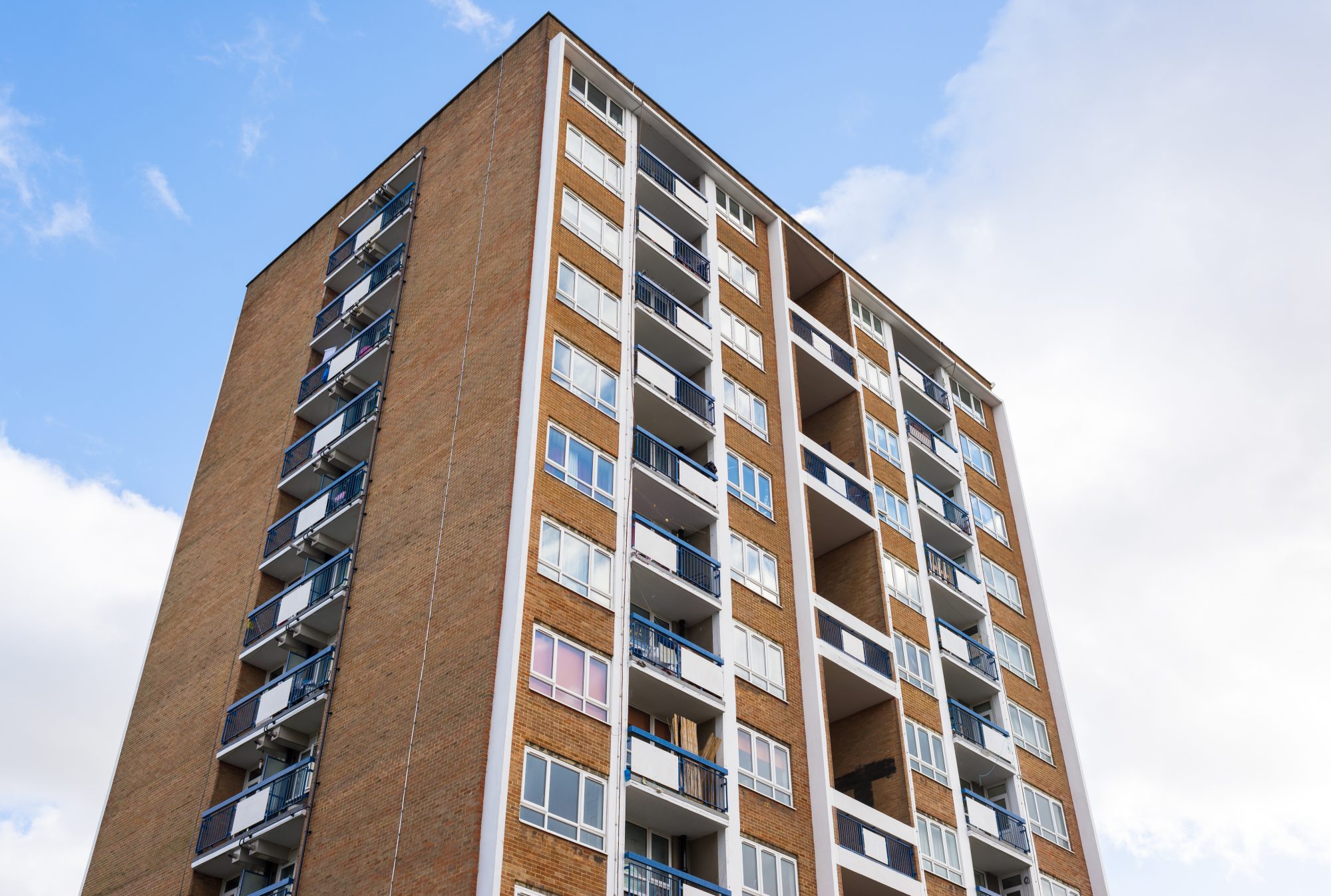
The Fire Safety (Residential Evacuation Plans) (England) Regulations 2025 apply to residential buildings in England containing two or more sets of domestic premises that meet specific height or evacuation criteria.
The regulations apply where the building:
- is at least 18 metres above ground level, or
- has seven or more storeys, or
- is more than 11 metres above ground level and operates a simultaneous evacuation strategy
These buildings are considered to present additional evacuation challenges due to their height, design or evacuation arrangements.
For Responsible Persons managing these buildings, this means evacuation planning must now include consideration of residents whose ability to evacuate independently may be compromised.
Implementing RPEEPs: Step-by-step
1. Identify Residents
2. Conduct PCFRA

3. Implement Mitigation
4. Create Emergency Evacuation Statement (EES)

5. Share with Fire Service
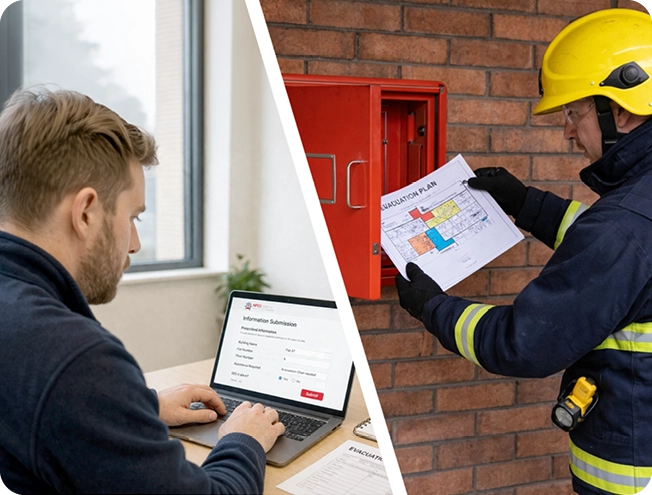
6. Building Emergency Evacuation Plan (BEEP)
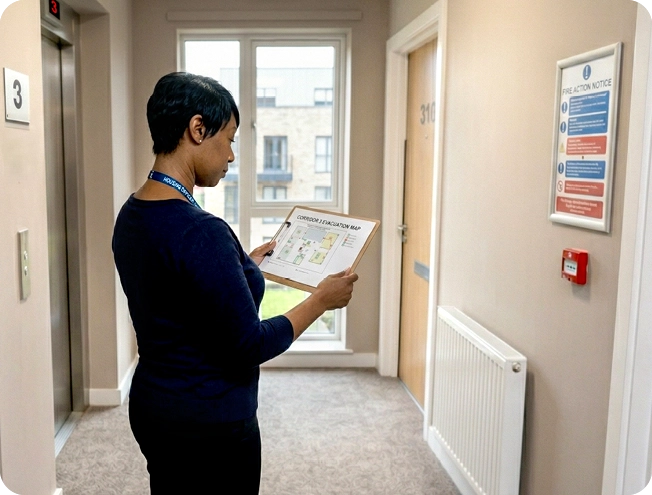
7. Review Regularly

Building Emergency Evacuation Plans (BEEPs)
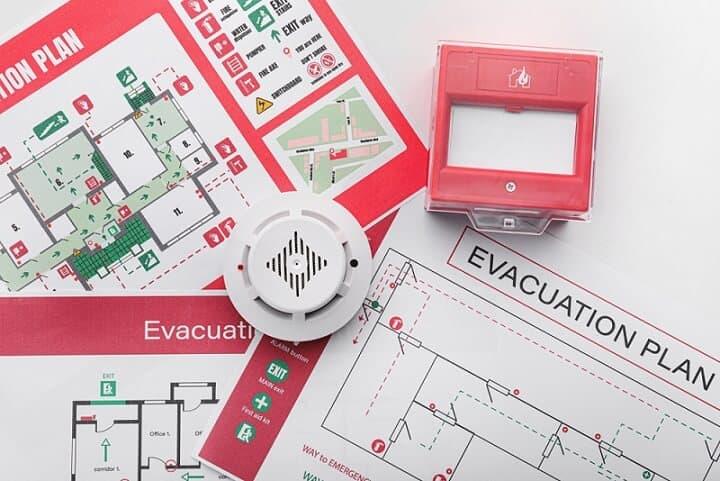
Alongside RPEEP arrangements, the regulations also require Responsible Persons to prepare a Building Emergency Evacuation Plan (BEEP).
A BEEP outlines the overall evacuation strategy for the building and provides information to support emergency responders.
The plan may include:
- The building’s evacuation strategy
- Information on how residents should respond during a fire
- Relevant information about residents who may require assistance, where consent has been provided
Responsible Persons must also ensure relevant information is shared with the local Fire and Rescue Authority, helping firefighters better understand the building and its evacuation arrangements when responding to an emergency.
Turning Legislation into Practical Evacuation Planning
While the regulations establish the legal framework, effective evacuation planning must also be practical.
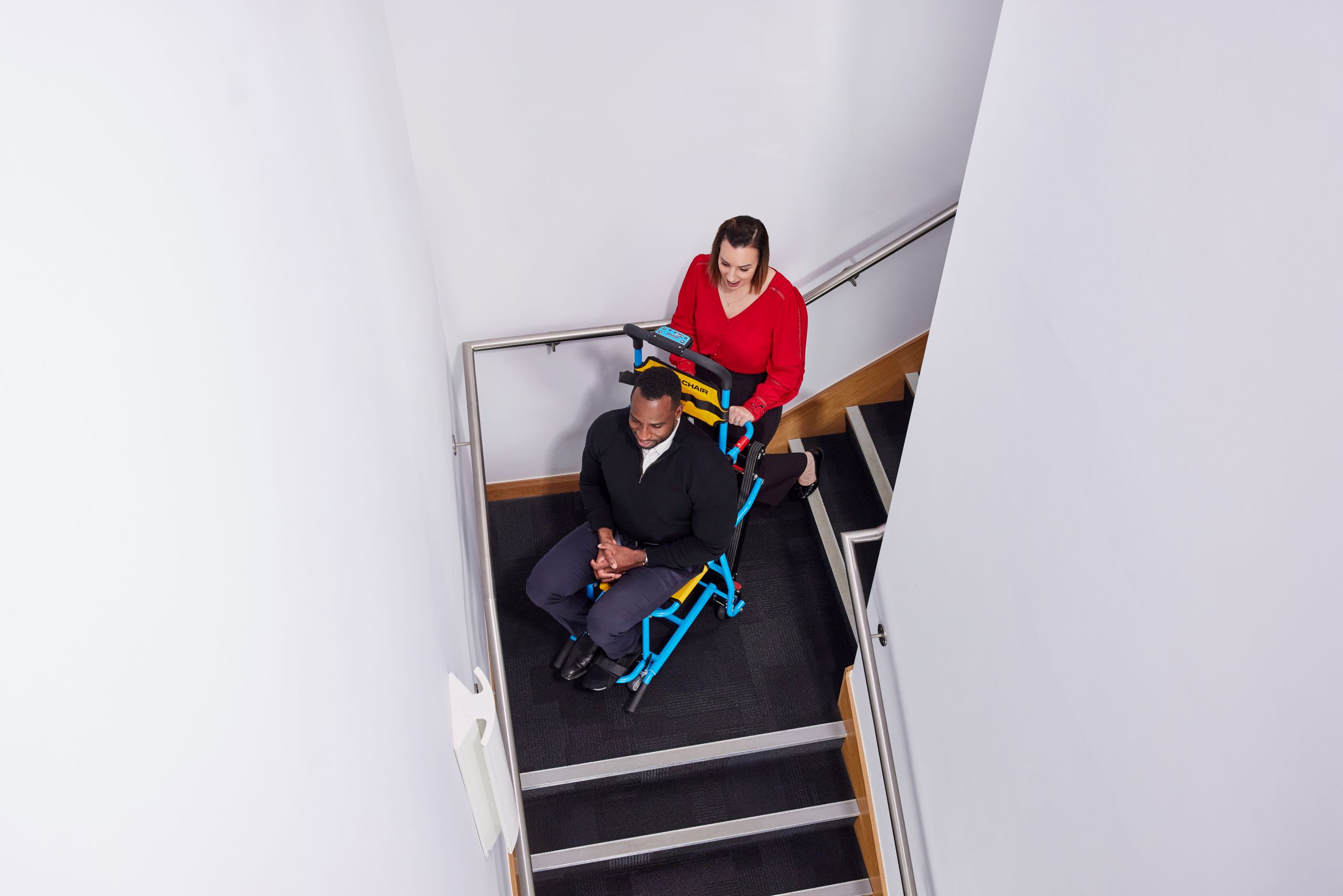
In many residential buildings, staircases remain the primary escape route during a fire. For residents who cannot use stairs independently, this creates a significant barrier to safe evacuation.
Supporting evacuation arrangements may therefore require appropriate evacuation strategies, equipment and trained individuals capable of assisting when required.
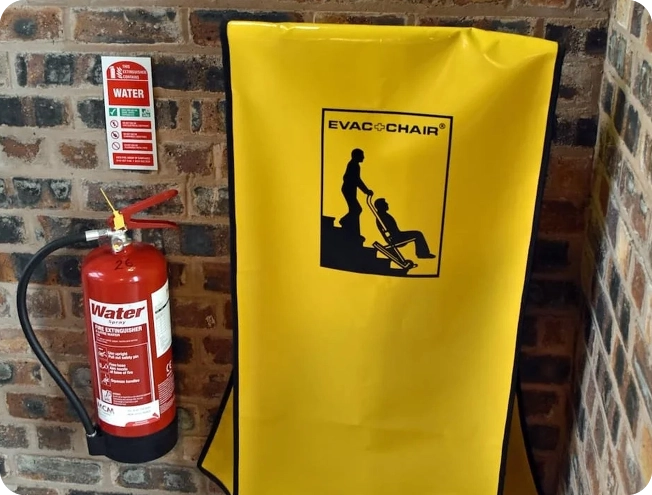
Solutions such as evacuation chairs and evacuation mats can provide safe and controlled methods of assisting individuals down staircases, helping Responsible Persons ensure evacuation plans can be implemented effectively during an emergency.
Preparedness must go beyond documentation. It must ensure that evacuation arrangements are realistic, achievable and ready to be used when needed.
A New Approach to Inclusive Residential Fire Safety
The introduction of RPEEPs represents an important development in residential fire safety.
Rather than relying solely on building-wide evacuation procedures, the regulations place greater emphasis on:
- Identifying residents who may require assistance
- Engaging with residents about their evacuation needs
- Sharing critical information with emergency responders
For residents, this approach provides reassurance that their needs will be recognised and considered.
For Responsible Persons, it introduces a more structured and proactive approach to
evacuation planning.
And for Fire and Rescue Services, it ensures that important information is available
when responding to an incident.
Preparing for the Introduction of RPEEPs
With regulations effective from 6th April 2026, Responsible Persons should begin reviewing their fire safety management arrangements and evacuation strategies.
Implementing RPEEPs requires engagement with residents, careful planning and the development of evacuation procedures that are reasonable, proportionate and practical.
When an emergency occurs, evacuation planning cannot rely on assumptions. It must rely on preparation, clear procedures and equipment that works when it matters most.
Inclusive Evacuation Starts with Preparation
The Fire Safety (Residential Evacuation Plans) (England) Regulations 2025 reinforce the importance of ensuring residential buildings are prepared to support residents whose ability to evacuate independently may be compromised.
While compliance is a legal requirement, effective evacuation planning is ultimately about protecting people and ensuring no one is left without support during an emergency.
We support organisations with evacuation assessments, specialist training and evacuation equipment designed to help ensure evacuation arrangements are practical, effective and ready to be implemented when needed.
Book your complimentary Evacuation Assessment today and ensure your building is prepared for the future of inclusive evacuation.
Book Now